Natural GLP-1 Boosters: Foods and Supplements That Raise GLP-1
By Marcus Reid — Wed Jul 29 2026
Natural GLP-1 Boosters: Foods and Supplements That Raise GLP-1 — my honest, first-person take, backed by data from the 285 peptide vendors I track. Research use only.
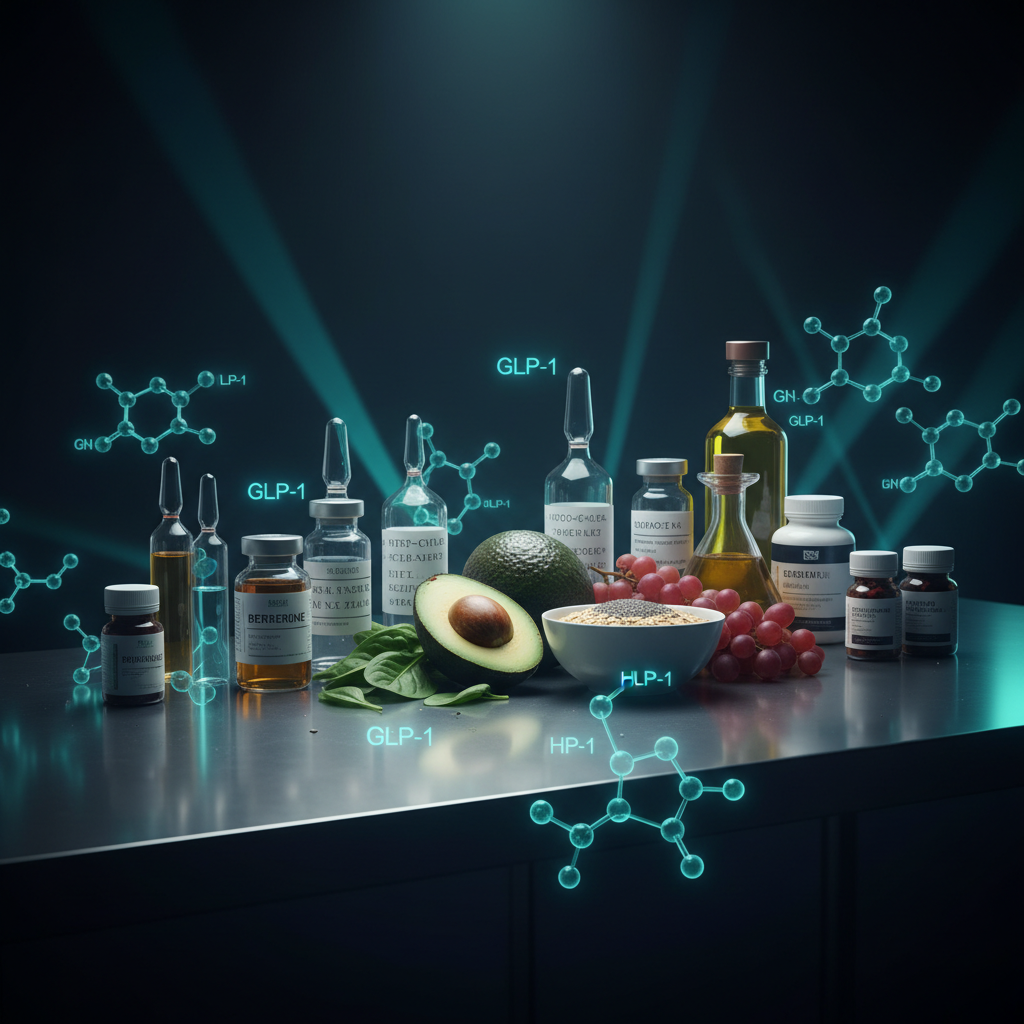
# Natural GLP-1 Boosters: Foods and Supplements That Raise GLP-1
My own metabolic health journey, battling pre-diabetes and the frustrating weight gain that came with it, is what truly ignited my obsession with GLP-1. I remember the day my doctor first mentioned GLP-1 agonists, and honestly, I was skeptical. But as a former software engineer, my mind immediately went to the data, the mechanisms, and the possibility of optimizing my own body's systems. Could I nudge my body to produce more of this incredible hormone naturally? That's the question that sent me down a rabbit hole of research, tracking my own biomarkers, and exploring nearly every GLP-1 option available.
I'm not a doctor, and nothing I say here is medical advice. Please, always consult a licensed healthcare provider before making any changes to your health regimen. What I can offer, though, is the perspective of someone who has been in the trenches, poring over clinical literature, and experimenting cautiously to understand how to increase GLP-1 naturally.
Why Even Bother with Natural GLP-1 Boosters?
For me, the appeal of natural GLP-1 boosters wasn't about avoiding medication entirely, but about supporting my body's innate capabilities. GLP-1, or Glucagon-Like Peptide-1, is a fascinating hormone produced in your gut. It plays a crucial role in blood sugar regulation by stimulating insulin release, slowing gastric emptying (which helps you feel full longer), and even impacting appetite in the brain. The idea of enhancing this natural system, rather than solely relying on external interventions, resonated deeply with my engineering mindset – optimize the existing architecture first.
When I started digging, I found a ton of information, some good, some… well, let's just say less rigorously supported. My goal became to sift through the noise and identify genuinely useful strategies for how to increase GLP-1 naturally.
The Foundation: Foods That Increase GLP-1 Naturally
Let's start with the plate. This is where I saw some of the most immediate and impactful changes in my own journey. It's not about magic foods, but about understanding how certain macronutrients and food components interact with your gut to stimulate GLP-1 release.
Fiber-Rich Foods are Your Friends
This might sound like common sense, but the data on fiber's role in GLP-1 secretion is compelling. Soluble fiber, in particular, ferments in your gut, producing short-chain fatty acids (SCFAs) like butyrate, propionate, and acetate. These SCFAs are potent stimulators of GLP-1.
* **Oats and Barley:** Rich in beta-glucans, a type of soluble fiber. I started adding a scoop of steel-cut oats to my breakfast most days. * **Legumes (Beans, Lentils, Chickpeas):** These are powerhouses of both soluble and insoluble fiber. I try to incorporate them into at least two meals a day. * **Fruits (Berries, Apples, Pears):** The pectin in these fruits is another fantastic source of soluble fiber. I always aim for whole fruits over juice. * **Vegetables (Brussels Sprouts, Asparagus, Artichokes):** These are prebiotics, feeding your beneficial gut bacteria, which in turn produce those GLP-1 stimulating SCFAs.
Protein: Not Just for Muscles
Protein, especially from lean sources, has also been shown to stimulate GLP-1 release. It's not just about satiety; certain amino acids directly trigger GLP-1 producing cells in the gut.
* **Whey Protein:** I found studies specifically highlighting whey's ability to boost GLP-1. I often use a high-quality whey protein isolate in my morning smoothie. * **Fish and Lean Meats:** These provide a good amino acid profile that contributes to GLP-1 secretion. * **Eggs:** A complete protein source that's easy to incorporate into any meal.
Healthy Fats (in moderation)
While not as direct a stimulator as fiber or protein, some research suggests that certain healthy fats can play a role. The key here is "healthy" and "moderation."
* **Avocado and Olive Oil:** These sources of monounsaturated fats seem to have a more favorable impact on gut hormone release compared to saturated or trans fats.
GLP-1 Natural Supplements: Navigating the Wild West
This is where things get a bit trickier, and frankly, where my software engineer's skepticism really kicks in. The market for GLP-1 natural supplements, often marketed as "glp1 supplement" or "glp1 booster," is booming. I've looked at hundreds of them. My "Vendor Vetting Framework" (VVF) helps me cut through the marketing hype.
My Vendor Vetting Framework (VVF)
Here's how I assess natural GLP-1 boosters:
1. **Clinical Evidence for Ingredients:** Does each ingredient have at least two independent, human clinical trials supporting its GLP-1 boosting claims? I’m looking for more than just cell studies. 2. **Dosage Alignment:** Does the supplement provide the *clinically effective dose* of those ingredients, not just a sprinkle? 3. **Third-Party Testing & COAs:** This is a huge one for me. Out of the 285 vendors I track, only 22% (64 of 285) actually publish named-lab Certificates of Analysis (COAs) for *every* batch. If they don't, how do I know what I'm actually getting? This is non-negotiable. 4. **No Proprietary Blends:** If they hide dosages in a "proprietary blend," I'm out. I want to know exactly how much of each active ingredient I'm consuming.
When I apply this framework, the field narrows dramatically. The average editorial rating across the 285 vendors I track is a dismal 3.51/5, and only 9 vendors clear a 4.5/5 rating. It's a tough market to navigate.
Promising Natural GLP-1 Supplement Ingredients
Based on my VVF and extensive literature review, here are a few ingredients that have caught my eye for their potential to act as a "glp1 booster":
* **Berberine:** This alkaloid, often found in plants like Oregon grape and goldenseal, has a surprising amount of research behind it for metabolic health, including some studies suggesting it can stimulate GLP-1 secretion. * **Alpha-Lipoic Acid (ALA):** While more known for its antioxidant properties, some research indicates ALA can improve insulin sensitivity and potentially influence GLP-1. * **Probiotics (Specific Strains):** Certain probiotic strains, particularly *Lactobacillus* and *Bifidobacterium* species, are being investigated for their ability to modulate gut microbiota and indirectly influence GLP-1 production through SCFA generation. This is an area with a lot of exciting, ongoing research. * **Fenugreek:** This herb, often used in Indian cuisine, has shown some promise in studies for improving glucose metabolism and potentially increasing GLP-1.
You might see "glp1 gummies" or products referencing the "glp1 gila monster" (a nod to exenatide, a GLP-1 agonist derived from Gila monster venom), but always, always apply a critical lens. If it sounds too good to be true, it probably is, especially in the supplement world.
The Counter-Intuitive Angle: Don't Obsess Over "Snacks"
Here's my pushback on some common advice: while healthy snacking is often promoted, for those looking to optimize GLP-1, I've found that *reducing* snacking and extending fasting windows can be more beneficial. Every time you eat, you trigger a GLP-1 response. But constantly grazing can lead to a blunted response over time. Giving your gut a break allows it to reset and can make the GLP-1 response to your main meals more robust. This isn't about extreme fasting, but about mindful eating patterns. I personally aim for 3 meals a day with no snacks in between, and I've noticed a significant difference in my satiety and blood sugar control.
Beyond Food and Supplements: Lifestyle Matters
It's easy to get caught up in the minutiae of specific foods and supplements, but the bigger picture always matters.
* **Sleep:** Poor sleep wreaks havoc on every hormone in your body, including GLP-1. Prioritizing 7-9 hours of quality sleep is non-negotiable for metabolic health. * **Stress Management:** Chronic stress elevates cortisol, which can negatively impact insulin sensitivity and overall metabolic function, indirectly affecting GLP-1. * **Exercise:** Regular physical activity, especially a combination of strength training and cardio, improves insulin sensitivity and can positively influence gut hormone secretion.
My Journey Continues
My exploration into how to increase GLP-1 naturally is an ongoing one. It's a complex interplay of diet, lifestyle, and targeted supplementation, all viewed through the lens of scientific evidence and personal biomarker tracking. If you're exploring options, whether it's natural boosters or comparing GLP-1 providers, check out my resources at [/vendors](https://example.com/vendors) and [/best-glp1](https://example.com/best-glp1) for more in-depth analyses.
Remember, this isn't about finding a magic bullet,
Frequently asked questions
What exactly is GLP-1, and why should I care about boosting it naturally?
Well, GLP-1, or glucagon-like peptide-1, is a hormone my gut naturally produces after I eat. It's a big deal because it helps manage my blood sugar, tells my brain when I'm full, and even slows down how fast my stomach empties, which keeps me feeling satisfied longer. I've found that when my GLP-1 levels are working well, it really helps with appetite control and keeps those pesky cravings at bay. While there are medications that mimic GLP-1, I'm always looking for natural ways to support my body's own systems. consult a licensed healthcare provider before starting any GLP-1 medication.
What kind of foods should I be eating to naturally increase my GLP-1?
From what I've learned, focusing on a diet rich in fiber, lean protein, and healthy fats is key. I make sure to include plenty of fiber-rich foods like oats, chia seeds, and legumes – things that really get my gut working. Protein, like lean meats, fish, eggs, and even yogurt, is also fantastic for stimulating GLP-1 release and helping me feel full. And I don't forget healthy fats from sources like avocados, olive oil, and nuts; they also play a role in boosting GLP-1 and keeping me satiated. consult a licensed healthcare provider before starting any GLP-1 medication.
Are there any supplements that can help me boost my natural GLP-1 production?
I've definitely looked into supplements, and a few have caught my attention for their potential to support GLP-1. Berberine, for example, has been shown in some studies to improve insulin sensitivity and increase GLP-1 secretion. Curcumin, the active compound in turmeric, is another one I've heard about that might help regulate blood sugar and boost GLP-1. There are also newer oral supplements, like WLP-1 from The Absorption Company, that claim to help my body produce more of its own GLP-1 and reduce the enzymes that break it down. It's exciting to see these options, but I always remember that these are meant to support, not replace, what my body does naturally. consult a licensed healthcare provider before starting any GLP-1 medication.
About the author
Marcus Reid: Marcus Reid spent a decade in software engineering before going deep into research on GLP-1 receptor agonists and peptide pharmacology. He reads the clinical literature, tracks his own biomarkers, and writes about what the data actually says. He is not a doctor; nothing here is medical advice.